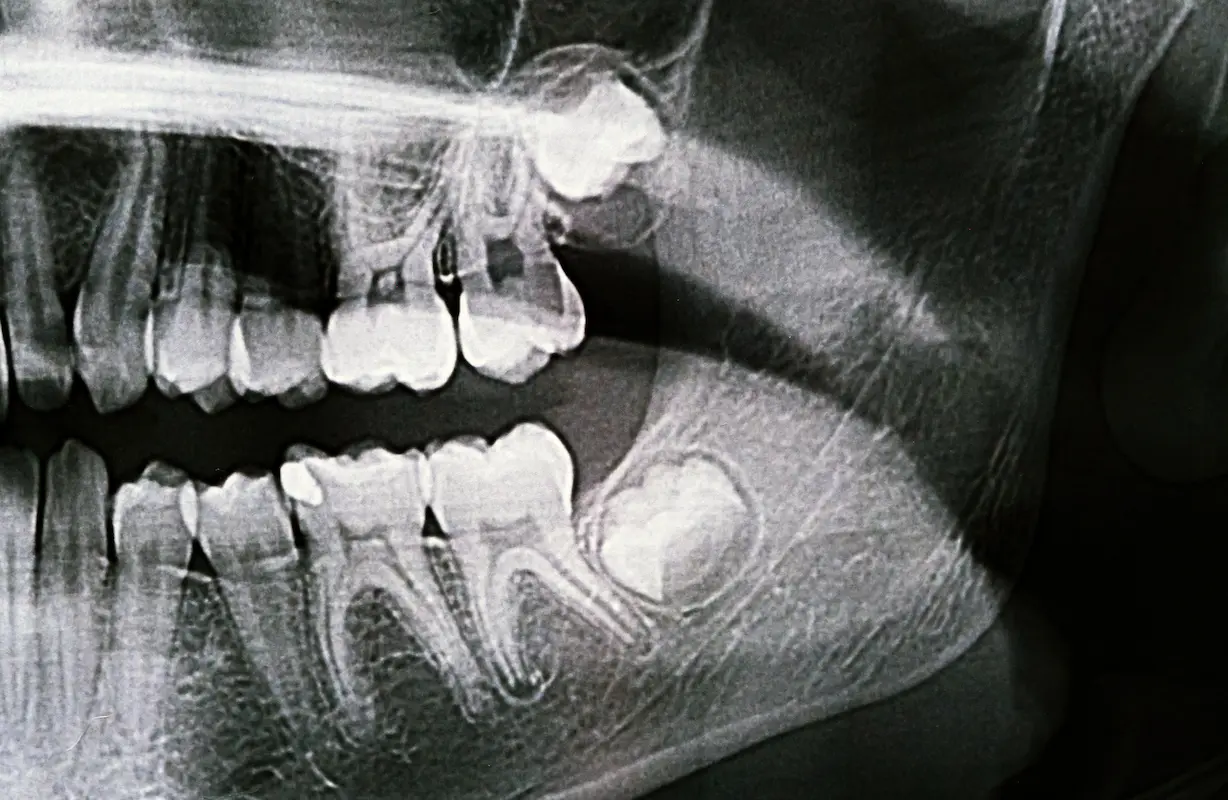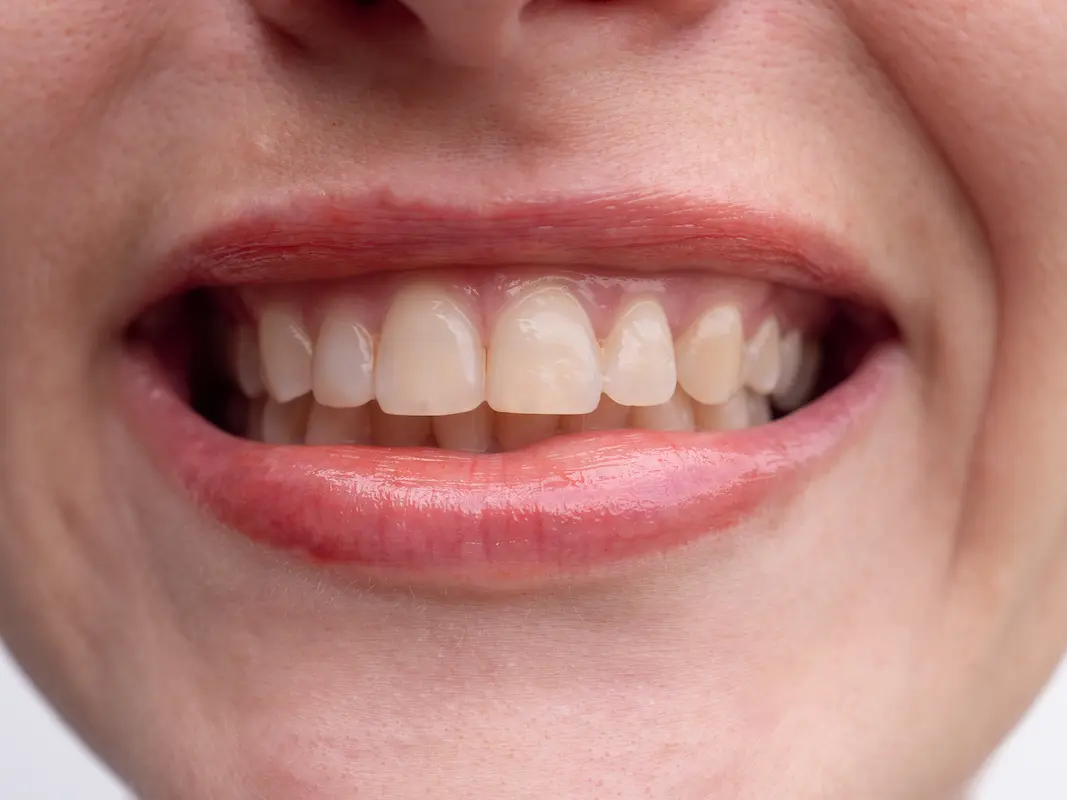
Losing several teeth, or living with a loose denture that shifts every time you laugh, affects far more than your smile. It changes the way you eat, the way you speak and even how comfortable you feel in a business meeting or a family photo. Fortunately, modern implant dentistry offers a solution that doesn’t require months without teeth or a long series of surgeries: All-on-4 dental implants, a technique that can give you a complete, fixed set of teeth anchored on just four implants per jaw.
What Are All-on-4 Dental Implants?
All-on-4 is a full-arch restoration protocol designed for people who have lost all, or nearly all, of their teeth in the upper or lower jaw, or whose remaining teeth are too damaged to save. Instead of placing one implant for each missing tooth, the specialist inserts four titanium implants strategically distributed along the jawbone. Those four anchors support a complete, fixed bridge that replaces the entire arch and that you never take out at night.
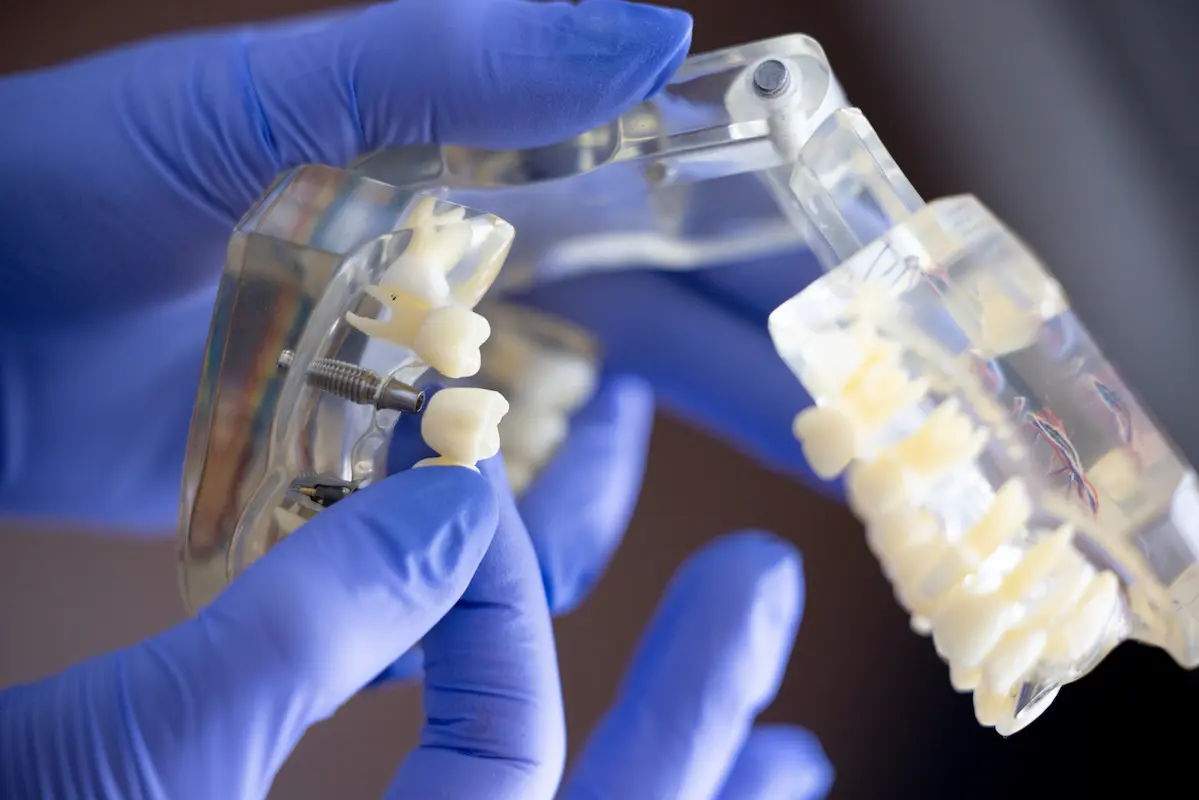
What makes the technique special is the position of the implants. The two front implants are placed vertically, while the two posterior ones are tilted at an angle of up to 45 degrees. That inclination takes advantage of the denser bone in the front of the jaw and keeps the implants away from delicate structures such as the maxillary sinus or the nerve that runs through the lower jaw. In many patients with moderate bone loss, this design reduces or even eliminates the need for bone grafts, which shortens treatment time and lowers the overall investment.
In suitable cases, all-on-4 dental implants also allow what we call immediate loading: on the day of surgery, or within the following 24 to 72 hours, we attach a provisional fixed bridge. After a healing period of roughly three to six months, during which the implants fuse with the bone (a process known as osseointegration), that temporary prosthesis is replaced with a definitive bridge made of high-strength materials such as zirconia or acrylic reinforced with a titanium framework.
The Pros of All-on-4 Dental Implants
When a patient tells me they’re tired of their denture, or of patching up failing teeth year after year, this protocol is one of the first options I evaluate. Not because it’s the right answer for everyone, since a thorough diagnosis always comes first, but because in the right candidate it combines function, aesthetics and efficiency in a way few treatments can match.
Below I describe the benefits I see most often in my practice, from the number of teeth you can replace in a single procedure to the long-term value of the investment. To make the comparison easier, here is a summary of how this technique stacks up against the two most common alternatives for a full arch.
| Feature | All-on-4 | Conventional removable denture | Traditional full-arch implants |
|---|---|---|---|
| Fixed or removable | Fixed; only the dentist removes it | Removed daily for cleaning | Fixed |
| Implants per arch | 4 | None | Usually 6 to 10 or more |
| Bone grafting | Often avoided thanks to tilted implants | Not applicable | Frequently needed when bone is limited |
| Time to have teeth | Provisional fixed teeth within 24–72 h in suitable cases | Days to a few weeks | Often several months |
| Chewing ability | High, close to natural teeth | Limited; may need adhesive | High |
| Effect on the jawbone | Stimulates the bone where implants sit | Does not stop bone loss | Stimulates the bone |
| Surgical stages | Usually one per arch | None | Often two or more |
| Relative investment | Medium–high; efficient per tooth replaced | Lowest upfront cost | Highest |
Table 1. All-on-4 compared with other full-arch options. Final suitability depends on each patient’s clinical evaluation.
Replace Many Teeth at Once
The most obvious benefit is efficiency: with a single surgical session per arch, we can replace an entire row of teeth. For a patient who would otherwise need eight, ten or more individual implants, that difference means fewer incisions, less time in the chair and a far simpler process from start to finish.
This is especially valuable for people whose remaining teeth suffer from advanced gum disease, deep decay or multiple failed restorations. When conditions allow, we can extract the compromised teeth, place the implants and attach the provisional bridge in the same appointment, so a problem that has dragged on for years is resolved in one well-planned visit.
Of course, every plan begins with a 3D CBCT scan and a digital analysis of your bite. That information tells me whether four implants are enough for your anatomy or whether your case would benefit from a variation such as All-on-6, which adds two extra anchors for patients with softer bone or higher chewing forces.
Quicker Recovery Time
Because fewer implants are placed and grafting is often unnecessary, the surgical trauma is smaller than with more extensive procedures. Most of my patients describe the first days as manageable discomfort, controlled with the medication we prescribe, along with swelling that usually peaks around the second or third day and then fades progressively.
Many people return to office work or light activities within three to five days. During the first weeks you’ll follow a soft-food diet to protect the implants while they integrate, and we’ll schedule check-ups to monitor healing. Every body heals at its own pace, so I always provide a personalized aftercare plan, but compared with treatments that involve several surgeries and months with a removable prosthesis, the overall recovery is shorter and much more comfortable.
Permanent, Fixed Teeth
Unlike a conventional denture, the bridge is screwed onto the implants and stays in place 24 hours a day; only your dentist can remove it during maintenance visits. There are no adhesives, no clicking sounds when you talk and no fear of the prosthesis slipping during dinner or a conversation. For many patients, this is the advantage that matters most: the feeling of having teeth again rather than wearing an appliance.
A fixed restoration also leaves the palate uncovered in the upper jaw, so flavors and temperatures feel natural again. Chewing efficiency improves considerably, which means that once healing is complete you can enjoy foods you may have avoided for years, from a grilled steak to crisp vegetables. The impact goes well beyond appearance; it influences nutrition, self-confidence and social life.
Longevity
Dental implants are made of biocompatible titanium that bonds with the bone, and when they are carefully planned and properly maintained, they can serve you for decades. Long-term clinical studies of the All-on-4 concept, with follow-ups of more than ten years, report implant survival rates above 90%, placing it among the most predictable full-arch solutions available today.
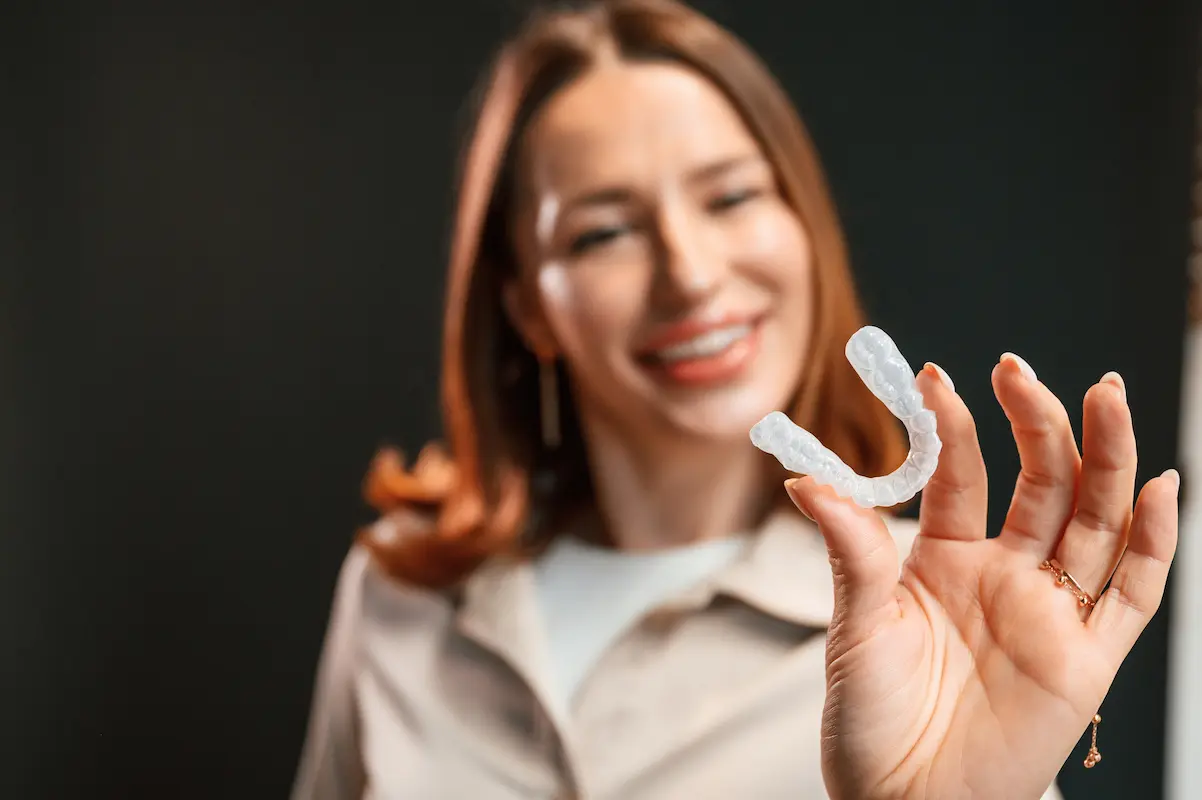
The prosthetic bridge is a different story: depending on the material and your habits, it may need repairs or replacement over the years, and zirconia tends to resist wear better than acrylic. In my experience, the factors that most influence durability are daily hygiene with a water flosser and specialized brushes, professional cleanings every six months, avoiding tobacco and protecting your teeth with a night guard if you grind them.
There’s another long-term benefit that patients rarely consider at first: bone preservation. When teeth are lost, the jawbone gradually shrinks, which can make the face look prematurely aged. Implants transmit chewing forces to the bone and help maintain its volume, something a removable denture simply cannot do.
Costs
One of the questions I hear most often concerns the all on 4 dental implants cost. The final figure depends on whether you need one or both arches, the number of extractions, any additional procedures, the implant system used and the material of the definitive bridge. For that reason, I never quote a closed price before a clinical evaluation and a 3D scan.
As a reference, U.S. consumer cost guides published in 2026 place this treatment at roughly $ 5,000 to $ 15,000 per arch, and a full-mouth case can easily exceed $40,000. In Quito, the same protocol, performed with internationally recognized implant systems and digital planning, represents a significantly lower investment. Since Ecuador uses the U.S. dollar, comparing quotes is straightforward and there are no exchange-rate surprises.
Whatever clinic you consider, ask for an all-inclusive quote that covers the CBCT scan, extractions, implants, provisional bridge, final bridge, sedation and follow-up visits; some low advertised prices only include part of the process. Measured per tooth replaced, All-on-4 is usually more cost-efficient than individual implants for an entire arch, and it eliminates the recurring expense of relining or replacing removable dentures.
Dental tourism in Quito
Every year, more patients from the United States and other countries travel to Ecuador to receive high-quality dental care at a more accessible price. Quito offers a combination that’s hard to find elsewhere: experienced specialists, clinics equipped with digital diagnostic technology, a UNESCO-listed historic center and mild, spring-like weather year-round, all within reach of direct flights from several U.S. cities.
Practical details also work in your favor. Ecuador uses the U.S. dollar, and its time zone matches U.S. Eastern or Central Time depending on the season, which makes scheduling calls with family or work easy. Our clinic, Focus Odontologia Especializada, is located in the Edificio Aveiro, Av. de los Shyris 32-42, Quito. Our team can guide you in English throughout the process.
For international patients, treatment is usually organized in two trips. On the first one, we carry out the evaluation, the 3D scan, the surgery and the placement of your provisional fixed teeth. After the healing period at home, you return to receive your definitive bridge. Here is an approximate outline:
| Stage | Approximate duration | What happens |
|---|---|---|
| Before you travel | 1–2 weeks | Virtual consultation, review of your X-rays or previous scans, preliminary quote and travel planning |
| First trip | 5–7 days | Clinical evaluation, CBCT scan, surgery, provisional fixed bridge and post-operative check |
| Healing at home | 3–6 months | Osseointegration, soft diet during the first weeks and remote follow-up with your specialist |
| Second trip | 5–7 days | Digital scan, try-in and delivery of the definitive bridge, plus bite adjustments |
| Long-term care | Every 6 months | Professional maintenance in Quito or with a trusted dentist in your home city |
Table 2. Typical timeline for dental tourism patients. Durations are adjusted to each clinical case.
One piece of advice I give every traveler: Quito sits at about 2,850 meters (9,350 feet) above sea level, so I recommend arriving a day or two before surgery to rest, stay well hydrated and let your body adjust to the altitude. If you’re ready to restore your smile, I invite you to schedule a virtual or in-person consultation. We’ll review your case together, answer every question and design a plan that fits your health, your schedule and your budget.
Frequently Asked Questions About All-on-4 Dental Implants
Who is a good candidate for all-on-4 dental implants?
The best candidates for all-on-4 dental implants are adults who have lost most or all of their teeth in one or both jaws, or whose remaining teeth cannot be saved, and who have enough bone in the front of the jaw to anchor four implants. Conditions such as uncontrolled diabetes, heavy smoking or certain medications require additional evaluation. A clinical exam and a 3D CBCT scan are what confirm whether the technique is right for you.
What is the all on 4 dental implants cost in Quito compared with the United States?
In the United States, 2026 consumer cost references place All-on-4 treatment at approximately $5,000 to $15,000 per arch. In Quito, the same procedure represents a significantly lower investment, and because Ecuador uses the U.S. dollar, quotes are easy to compare. The final price depends on the number of arches, extractions, the implant system and the material of the definitive bridge.
How long do All-on-4 dental implants last?
With good hygiene and regular check-ups, the implants in an All-on-4 restoration can last for decades; long-term studies with more than ten years of follow-up report implant survival rates above 90%. The prosthetic bridge may need repairs or replacement over time depending on whether it is made of acrylic or zirconia. Professional maintenance every six months and avoiding tobacco help extend its lifespan.
Is getting All-on-4 dental implants painful?
The surgery is performed under local anesthesia, and sedation can be added for greater comfort, so you shouldn’t feel pain during the procedure. Afterward, most patients experience moderate discomfort and swelling that peaks around 48 to 72 hours and is controlled with prescribed medication. Many people return to light activities within three to five days.
How many trips to Quito do I need for all on 4 dental implants?
Most international patients need two trips to complete all on 4 dental implants in Quito. The first visit, of about five to seven days, includes the evaluation, surgery and provisional fixed teeth; the second, three to six months later, is for the definitive bridge. A virtual consultation before traveling helps plan both stays precisely.
Bloque SEO y de publicación
| Elemento | Propuesta |
|---|---|
| Título SEO (60 car.) | |
| Meta descripción (156 car.) | |
| Meta descripción alternativa (150 car.) | Discover the advantages of all-on-4 dental implants: fixed teeth, faster recovery and an all on 4 dental implants cost in Quito that fits your budget. |
| URL sugerida | |
| Schema recomendado | Article + FAQPage + Dentist (LocalBusiness) |
Extracto para la entrada del blog
Keywords (8)
- full mouth dental implants
- dental implants Ecuador
- dental tourism Quito
Descripciones de imágenes / texto ALT (8)
- 3D illustration of all-on-4 dental implants showing four implants supporting a full-arch fixed bridge
- Dental specialist reviewing a CBCT scan to plan all-on-4 dental implants in Quito
- Side-by-side graphic comparing a removable denture with all-on-4 dental implants
- Jaw model with all on 4 dental implants, two straight front implants and two tilted posterior implants
- Adult enjoying a meal with fixed teeth after all-on-4 dental implants treatment (stock model image)
- Infographic of the all on 4 dental implants cost per arch in the United States and in Quito
- Panoramic view of Quito’s historic center for patients planning dental tourism and all-on-4 dental implants
- Modern dental office in the CITIMED building in Quito where all-on-4 dental implants are planned
Observaciones editoriales
- Idioma: el artículo está en inglés porque el título, los encabezados y las keywords (base de datos US de Semrush) apuntan al paciente estadounidense de turismo dental.
- Canibalización: publicarlo en una sección /en/ con etiqueta hreflang enlazada al artículo en español sobre implantes, en lugar de competir con él.
- ACESS: usar imágenes de stock o ilustraciones; no publicar fotos de antes/después de pacientes sin consentimiento documentado ni prometer resultados garantizados.
- Pendientes: credenciales del especialista, rango de precio en Quito, duración real de cada viaje, personal bilingüe, sede donde se realiza la cirugía y datos de contacto.